Prostate Cancer Treatment in India for Nigerian Patients: Cost, Treatment & Hospitals
Prostate cancer treatment guide for Nigerian patients covering costs, treatment options, and top Indian hospitals. Explains the full journey from diagnosis through recovery, plus how TMTC handles visas, travel, and aftercare.
Published on 9 September 20268m

Adil Hussain
Health and Wellness Writer and Senior Manager, Content Development at TMTC
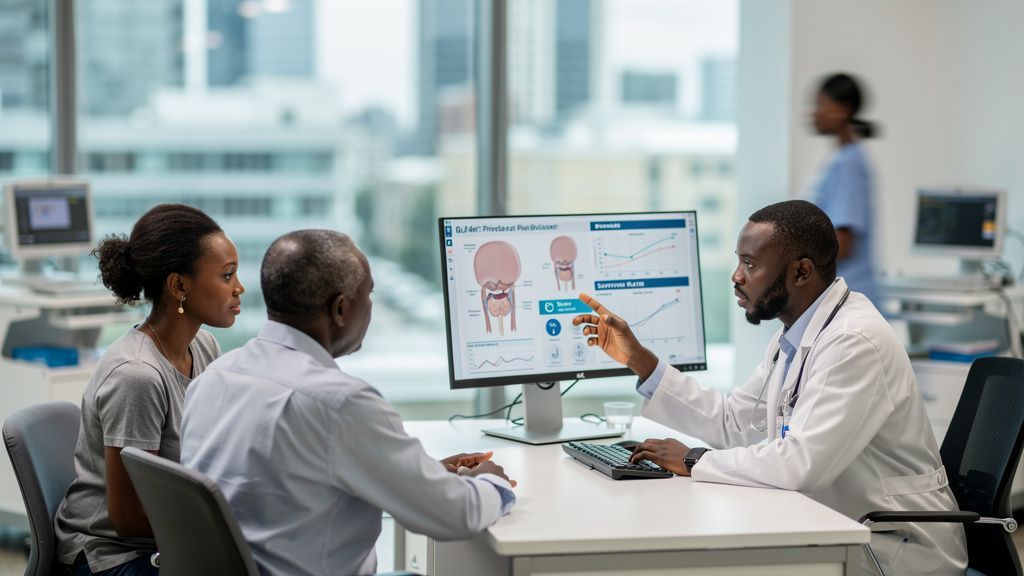
Prostate cancer doesn't wait for you to be ready. Within days you're weighing where to be treated, and that choice is never just about cost. It comes down to who's operating, what equipment stands behind them, whether the accreditation is real, and whether anyone checks in on you months later.
That's what Prostate Cancer Treatment in India for Nigerian Patients is built around. You're placed with urologists and oncologists who've handled this many times over, at hospitals built for advanced surgical and radiotherapy care. The Medical Travel Company manages everything around that: consultations, travel, treatment, and the follow up once you're home. Here's what the journey actually looks like, from diagnosis to aftercare.
Prostate Cancer Treatment Cost in India for Nigerian Patients
A few things move the price. Your stage. What your specialist actually recommends. How long you've been in the hospital. Whether anything gets added along the way. Comparing single numbers won't tell you much; the full package is what counts.
Here's the cost of surgery, through TMTC:
| Destination | Cost |
|---|---|
| Nigeria (private care) | US $8,500 |
| South Africa | US $11,500 |
| India | US $5,500 |
Your actual number depends on diagnosis and staging. Radiation or hormone therapy, if either applies, gets priced once your specialist knows what you're dealing with.
India vs Nigeria: Cost & Treatment Comparison
Private care at home isn't cheap. Plenty of patients also look at South Africa, the UK, and the UAE. Against those, India runs up to 32% less than private treatment in Nigeria, and you're not trading down on technology or accreditation to get there. TMTC keeps your team back home in the loop the entire time.
Factors Affecting the Cost of Prostate Cancer Treatment in India
Several factors can influence the total cost of prostate cancer treatment:
- Consultation and diagnostic investigations: Initial consultations, PSA testing, imaging, and biopsy at an Indian hospital
- Staging and grading: Tests used to confirm how far the cancer has progressed and how aggressive it appears
- Treatment approach: Surgery, radiation, hormone therapy, or some combination
- Surgical technique: Minimally invasive or robotic-assisted versus open surgery
- Hospital stay: Length of time in hospital, which shifts by procedure and recovery
- Radiotherapy course: The number of sessions needed if radiation is part of the plan
- Medications: Hormone therapy or other prescribed medicines
- Accommodation and local transport: Hotel stays, transfers, and transport during your time in India
- Follow-up and aftercare: Consultations and monitoring before you head home
- Flights and travel expenses: International flights, visa costs, and other expenses associated with travelling to India
What you'll actually pay depends on the treatment protocol and services your case needs.
Why Choose India for Prostate Cancer Treatment?
Skilled specialists. Real technology. Accredited hospitals. A bill that's a fraction of most overseas private alternatives. That's the short version.
Here are some factors that may sway Nigerian patients:
- Experienced oncologists and urologists
- JCI and NABH-accredited cancer hospitals
- Advanced technologies, including robotic surgery and precision radiotherapy
- A range of treatment options, from active surveillance through to surgery, radiation, and hormone therapy
- Potential savings against private care in Nigeria and elsewhere
- Support that continues beyond the hospital
Signs and Symptoms of Prostate Cancer
Here's the tricky part. Prostate cancer stays quiet early on, sometimes for years. When it does show itself, possible symptoms include:
- Needing to urinate often or struggling to urinate
- Blood in urine or semen
- A dull ache in the pelvis
- Erectile dysfunction
- Bone pain, usually once the disease has progressed
None of these symptoms confirms cancer on its own. Several harmless prostate conditions can cause similar symptoms. However, persistent symptoms deserve medical attention.
How Prostate Cancer Is Diagnosed
No single test tells the whole story. Diagnosis generally involves a combination of tests and assessments:
- PSA test: A blood test for prostate-specific antigen, which can rise with cancer but can also increase because of other conditions.
- Digital rectal exam: A physical examination to check for anything unusual in the prostate's shape or texture.
- Biopsy: A procedure used to confirm whether cancer is present.
- Imaging: MRI, CT, and bone scans may be used to assess whether and how far the cancer has spread.
- Staging and grading: This can include the Gleason score, which helps assess how aggressive the cancer cells appear under a microscope.
All of this information helps the urologist and oncologist determine the next step.
Dr Sukhdev Singh GP, UK, emphasises the importance of early testing and acting promptly after diagnosis:
"As with many chronic diseases, if you have risk factors, then getting tested as early detection can effectively lead to a cure. Delaying PSA testing by waiting for symptoms to appear often has a poorer prognosis. Once diagnosed, the staging of the cancer will determine the treatment approach needed – here, speed is of the essence and delays can lead to the prostate cancer worsening."
What Do PSA, Gleason Score, TURP and Brachytherapy Mean?
PSA (Prostate-Specific Antigen)
PSA is a protein produced by the prostate. Raised PSA levels can occur with prostate cancer, but they can also be caused by benign conditions such as an enlarged prostate. A high PSA level alone does not confirm cancer.
Gleason Score
The Gleason score describes how aggressive prostate cancer cells appear under a microscope and is converted into a numerical grading system.
TURP (Transurethral Resection of the Prostate)
TURP involves removing prostate tissue through the urethra. It is more commonly used for benign prostate conditions than for treating prostate cancer itself.
Brachytherapy
Brachytherapy is a form of radiation therapy delivered from inside the body. Radioactive seeds are placed directly in or near the prostate to target the cancer while limiting exposure to surrounding tissue.
Prostate Cancer Treatment Options in India
There's no single right answer for everyone. Treatment depends on factors such as the cancer's stage, its aggressiveness, and the patient's overall health.
Active Surveillance
Active surveillance involves closely monitoring the cancer without starting treatment immediately. It may be considered for slow-growing, low-risk prostate cancers.
Surgery
Radical prostatectomy involves removing the prostate. Depending on the case, surgery may be performed using minimally invasive or robotic-assisted techniques.
Radiation Therapy
Radiation therapy uses high-energy radiation to target cancer cells. It may be used alone or alongside other treatments depending on the patient's condition.
Hormone Therapy
Hormone therapy uses medication or surgery to reduce testosterone levels, which can slow prostate cancer growth. It is commonly used in advanced cases.
Chemotherapy
Chemotherapy may be considered for advanced or metastatic prostate cancer, including situations where hormone therapy is no longer effective.
Your specialist considers factors such as staging, Gleason score, age, and overall health before deciding on a treatment plan.
How Prostate Cancer Treatment Works
The process varies depending on the treatment approach, but a typical surgical pathway may include several stages.
- Initial Consultation: The process begins with reviewing your diagnosis, medical history, and treatment goals. For Nigerian patients, TMTC can arrange an initial consultation before travel so the medical team can review the case early.
- Diagnostic Review: Previous test results, imaging, and biopsy reports are reviewed. Additional tests may be arranged if needed.
- Staging and Treatment Planning: The medical team confirms the cancer's stage and grade and determines the appropriate treatment approach.
- Pre-Surgical Preparation: Patients undergoing surgery may have an anaesthetic assessment and final pre-surgical checks.
- Surgery: Radical prostatectomy may be performed using minimally invasive or robotic-assisted techniques when appropriate.
- Hospital Recovery: Patients are monitored in hospital for a period before being discharged to their accommodation.
- Radiation or Hormone Therapy: These may be scheduled instead of surgery or alongside other treatment, depending on the case.
- Follow-Up Monitoring: Follow-up can include PSA testing, consultations, and monitoring for signs of recurrence.
What Is Included in a Prostate Cancer Treatment Package?
Treatment packages vary by hospital and treatment plan. Patients should obtain a detailed quote before booking treatment.
Medical Care
- Consultation with a urologist or oncologist
- Diagnostics and staging
- Surgery or the recommended treatment
- Hospital stay
Travel & Accommodation
- Airport transfers
- Accommodation
- Local transport
Patient Support
- Patient coordinator
- Translation, if needed
Follow-Up
- Aftercare and monitoring after treatment
Anything outside the core plan, including additional tests, medication, or procedures, may carry an additional cost.
Top Hospitals for Prostate Cancer Treatment in India
Price alone doesn't tell the whole story. Patients should consider the experience of the urology and oncology team, available technology, accreditation, and international patient support.
TMTC's network spans established hospital groups across India.
Fortis Healthcare
Cancer centres across India with dedicated urology and oncology teams.
Dr Anil Mandhani, at Fortis Hospitals, is known for his work in urologic oncology, particularly prostate cancer surgery.
Max Healthcare
Recognised for minimally invasive and robotic urological surgery, with Dr (Prof.) Rajesh Ahlawat having helped advance complex prostate cancer procedures in India.
Apollo Hospitals
Provides coordinated cancer care across multiple centres, combining diagnostic technology with surgical and radiotherapy options.
Artemis Hospital
Known for robotic-assisted prostate cancer surgery. Dr Rajiv Yadav's approach focuses on removing cancer while preserving urinary and sexual function.
Marengo Asia Hospitals
Provides advanced urology care, including Dr Rajeev Sood's expertise in uro-oncology and minimally invasive prostate procedures.
Medanta
Provides multidisciplinary cancer care with urology, oncology, and radiology teams working together on treatment planning.
Hospital and specialist recommendations depend on your diagnosis, staging, and treatment plan and should be confirmed by your treating team.
Prostate Cancer Treatment Success Rates in India
Survival statistics can provide useful information, but they are averages across large groups of patients and are not a prediction of an individual patient's outcome.
Several factors can influence treatment outcomes:
- Stage at diagnosis
- Age and overall health
- Type of treatment received
- Experience of the hospital and medical team
Research consistently shows that hospital and surgeon experience can influence outcomes in prostate cancer care. Patients receiving radiotherapy at high-volume centres may have better outcomes than those treated at low-volume centres.
One study using the National Cancer Database reported that men with node-positive prostate cancer treated at high-volume radiation centres had a median overall survival of 111.1 months, compared with 92.3 months at low-volume centres, after adjustment for clinical and demographic factors.
How Long Does Prostate Cancer Treatment Take?
TMTC lays out the treatment journey step by step:
Consultation & Diagnosis → Staging → Treatment → Recovery → Follow-Up
Consultation & Diagnosis
Medical history and existing results are reviewed, and diagnosis and staging are confirmed.
Staging
Imaging and pathology help establish the extent of the disease.
Treatment
Treatment may involve surgery, radiation, hormone therapy, or another approach based on the treatment plan.
Recovery
Recovery can include time in hospital followed by recovery at accommodation until the patient is cleared to travel.
Follow-Up
Monitoring continues after the patient returns home to Nigeria.
Timelines vary depending on the treatment. Surgery usually means a shorter overall trip, while radiation therapy can require weeks of daily sessions. The treating doctor determines when it is safe to travel.
Visa, Flights, Accommodation & Aftercare
Patients need the appropriate visa category for medical treatment. India's official guidance covers medical and medical attendant visas, but requirements can change, so patients should confirm the latest requirements before booking travel.
TMTC handles logistics including visas, travel, transfers, accommodation, and local transport. Once patients arrive at a partner hospital, medical support and transport are covered throughout their stay and recovery.
Follow-Up After Returning to Nigeria
Returning home does not necessarily mean the end of care.
TMTC stays in touch with the treating team so patients can understand what comes next. Depending on the treatment plan, follow-up may include:
- Post-treatment instructions
- Remote consultations, where appropriate
- Medication guidance
- Ongoing contact with the treating team
- Guidance on when to seek further medical advice
If something feels wrong after returning home, patients should contact their specialist promptly.
Start Your Prostate Cancer Treatment Journey With TMTC
A prostate cancer diagnosis brings many questions at once, and deciding where to receive treatment is one of the biggest.
Understanding your treatment options, potential costs, expected timeline, and what happens throughout the treatment journey can help you make a more informed decision.
TMTC supports Nigerian patients through the process, including consultations, treatment planning, travel, accommodation, coordination, and follow-up care.
If you're considering prostate cancer treatment in India, speak with the TMTC care team about your diagnosis and what your treatment journey could look like.
Book a consultation with TMTC to explore your prostate cancer treatment options in India.
Frequently Asked Questions
How much does prostate cancer treatment cost in India for Nigerian patients?
The cost depends on the stage of the cancer and the treatment recommended. Through TMTC, surgery starts around US $5,500, although the final cost depends on the specific treatment plan.
Is prostate cancer treatment in India cheaper than in Nigeria?
According to the treatment cost comparison in this guide, treatment in India can be up to 32% less than private surgery in Nigeria or other primary destinations, while offering access to advanced technology and accredited hospitals.
How successful is prostate cancer treatment in India?
Treatment outcomes depend on factors including the cancer stage, age, overall health, and treatment type. A specialist can provide a more realistic assessment based on an individual case.
How long do I need to stay in India for treatment?
The length of stay depends on the treatment. Surgery generally involves a shorter stay, while a complete radiation course may require a longer stay because treatment can involve daily sessions over several weeks. Your doctor will confirm the expected timeline.
Can I travel to India alone for treatment?
Yes, if it is appropriate for you and your medical team agrees. TMTC can provide accommodation, transfers, and coordination. Patients may also choose to bring someone with them for additional support.
What does a treatment package include?
Packages vary by hospital and treatment plan. Medical care generally includes consultation, diagnostics, treatment, and hospital stay. Patient support may include accommodation, transfers, local transport, and follow-up.
What documents do I need before travelling?
You may need your passport, medical records, previous test results, and documents required for your visa. Your patient coordinator can help you prepare the necessary documents before travel.
Do I need a medical visa for cancer treatment in India?
Patients should check the current Indian medical visa requirements before booking their trip, as visa rules and requirements can change.
Can I continue my follow-up after returning to Nigeria?
Yes. Depending on your treatment plan, follow-up may include medication guidance, remote consultations, and ongoing communication with your treating team.
Medically Reviewed By:
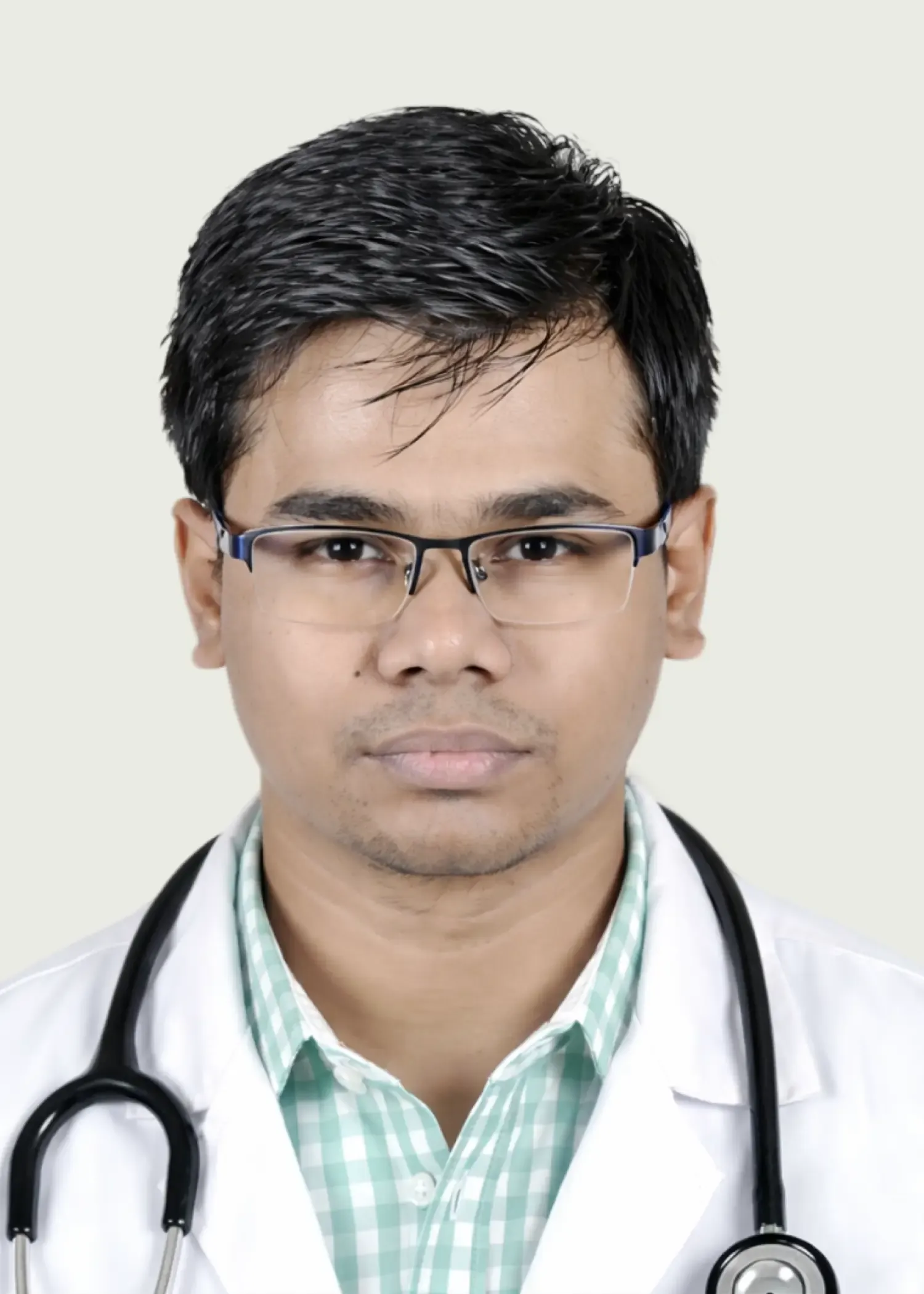
Dr Piyush Das
Experience: 10+ Years
Department: General Practitioner, Industrial Health & Occupational Medicine
Ready to open the door to better health?